
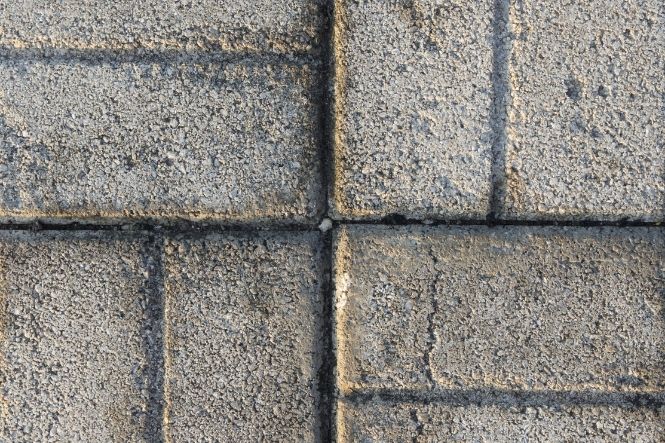
Concrete block paving stones, particularly the smaller, brick-sized pavers, have become amazingly popular in the last 20 years. This is largely because specialist firms have focused on delivering just block driveways and paths and nothing else. The concrete blocks have taken, by some estimates, over 80% of the UK home driveway and paving market since they came out.
Variety is the Spice of Life
Compared to the larger concrete slabs that were available previously, the ones that are more like pavement slabs, the smaller blocks can deal with undulating surfaces more readily and they are available in a wide variety of colours and textures, not to mention different shapes and sizes.
Concrete block paving stones are a lot cheaper than Clay Blocks, but the colouring comes from dyes rather than being natural, as is the case with clay blocks, so they do not age as gracefully as clay.
The colouring and lifespan of the concrete block paving will be almost in direct proportion to the price because the cheaper the dye, the more likely it is to fade. If possible, try to get a look at blocks that have been laid some years ago to get an idea before laying out your cash.
Pick and Mix
Standard sizing helps the popularity of concrete blocks, too. There are two thicknesses, 5 or 10cm. The thinner blocks are acceptable for domestic paths and driveways, but it does make the blocks a little harder to lay. They are mostly 10cm wide and 20cm long, which means that bricks from different suppliers can usually be laid together, so you can pick your favourites from each company.
One thing to watch is that the blocks usually have spacers at the side to help you lay them with the correct 3mm gap. You need to make sure the spacers from bricks made by different manufacturers don’t clash before buying, and a good supplier will help you out here.
Select colours that will complement your property and the surrounding area. You can get a variety of different textures which should all be sure underfoot when it rains, as long as they conform to the relevant standards. The textures are really more about the look than anything else, and if you’re trying to match existing older clay blocks, there are reproductions of many common patterns from the last hundred years or so.
Good Foundations are Vital for Long Life
We’ve talked about the tendency for colours to fade with concrete blocks but apart from that any concrete block drive should last for a long time, as long as it’s laid properly in the first place. Get quotes from a number of different contractors if you’re not going to do it yourself, and pick those that have been around for a while and are happy to give local references for you take a look at.
Foundations are important to longevity. If the drive can’t take the pressure of cars being parked on it, then cracks will appear or the edging will bow out. Once those defects appear, rain will get in and have a field day with the bedding layer. Take a look at our articles on laying the driveway for further advice.
