How to Create or Replace Your Driveway!

Putting in a driveway is not an easy job, nor is relaying or resurfacing one. There are literally hundreds of different surface types, colours and techniques so it’s hard to know where to start.

Do-it-Yourself or Use Professionals?

We’ve written Driveway Expert as a resource for anyone who wants to build, replace, repair or maintain a driveway in the United Kingdom. The information contained in the articles on this website will allow a competent DIY fan to lay their own driveway. We’re honest about the surfaces that really should be left to the professionals and those that you can lay yourself.

You’ll also find information here to help people who definitely won’t be doing their own drive and will be hiring a firm to do it for them instead. Let’s face it, that’s most of us. And if you’re in that situation, the more you know, the less likely you are to be caught out by shoddy workmanship and unprofessional firms.

If you haven’t yet decided whether to DIY or pay someone else to do it for you, the expert articles here will help you decide.

Huge Variety of Surfaces and Materials

When it comes to laying a new driveway the first you need to know is how to identify the different surfaces, how to prepare them and lay them. We explore the different qualities that the various surfaces have so that you can decide which material is the right one for you. Once you've laid your brand new drive it's important to keep it well maintained but don't worry we've got that covered too!

Getting the Basics Right in the First Place

Much of the work planning and preparing for a driveway is the same regardless of the type of material you or the contractor will be using. There’s dealing with regulation and planning for a start, although unless you live in a conservation area or similar region, where there are restrictions on building, in most cases you can do what you like. Although this has changed somewhat in recent years with the realisation that hardstandings on urban gardens are contributing to the flooding problems and raising the ambient temperature in our towns and cites. This has meant that more people in towns now have to apply for planning permission for driveways.

The layout of the drive, planning it and marking out, catering for gradients and ensuring that the slopes will drain rainwater away are all vital ingredients to ensuring a properly laid drive. We take you though what you need to know and how you need to do it as well as looking at the more specialist drainage solutions that are required for more difficult sites.

Breaking Down the Subject Matter

With so many different surfaces and materials to out there it’s difficult to know what is actually available and what is suitable - that's where Driveway Expert comes in!. There are block paved materials, solid surfaces like concrete and tarmac, left loose materials like gravel (one of the most popular drive materials in the country) and also more unusual surfaces like semi-permeable membranes and natural substances.

But what about the path or patio? Once you've got a lovely new driveway you may want a nice new patio or path to complement it. Here at driveway expert we've covered every aspect of your outdoor surfaces from decking, to children's play areas to stepping stones.

Many of the same techniques are used to lay patios and paths but because they don’t have to withstand the weight of cars, do not require such deep foundations. In our case studies section you can read how our readers have gone about laying their outdoor surfaces and also post your own questions to our experts.

The Do-it-Yourself Method

Although most drive laying methods are technically within the scope of good DIY amateurs, the reality is that tarmac and some of the newer aggregates need specialist equipment that can’t be hired easily, and experience that can only be gained with years of practice.

This is also true of block paving if the site offers challenges in the form of undulations and tricky drainage. In fact with block paving you can end up with a drive that looks fabulous when laid, but frankly awful a year or two later. Be realistic about your skills and knowledge and remember that, like any DIY project, the more work you put into planning and preparation, the better the final outcome will be.

Concrete and DIY

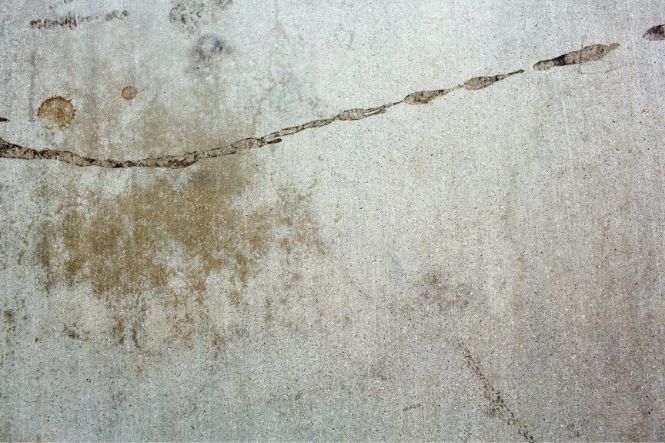
Concrete is one drive material that many DIY enthusiasts are keen to embrace but again, experience counts. Anyone can prepare foundations and pour concrete on. But whether the foundations and mix are right is another matter. Then there’s the drying time, how to control the concrete so it doesn’t dry too quickly or too slowly. This is dependent on the mix, the weather and additives, and there’s little substitute for experience in gauging these factors.

We don’t want to put you off laying a drive yourself but if you’ve never touched concrete before, it’s worth practising on a smaller project first before going straight into a whole driveway.

Hiring a Driveway Contractor or Builder

There are plenty of people out there who will build a driveway for you but in recent decades certain sectors of the driveway industry have got a bad reputation, similar to that of the double-glazing industry, and for similar reasons too. The rise of relatively easy-to-lay and cheap block paving started a boom where people became ‘experts’ when the level of their training was really only adequate for the simplest of plots..

Another, less recent trend is the people who happen to be in your area with a load of tarmac left over from a job down the road. This is almost certainly not the case, and you’ll get no guarantee and won’t be able to get hold of them if something does go wrong.

The good thing is that there are techniques you can use to avoid cowboy contractors and it’s the same process you should use when you’re getting anyone to do work on your home:

  • Get quotes from at least three suppliers
  • Make sure they’ve done similar drives before
  • Ask for references from all of them
  • Take up those references – talk to the customers
  • Make sure your short-list candidates have building accreditations
  • Actually check with those organisations that the companies are members
  • Don’t pay too much up front
  • Check with Companies House that the company has existed for a while

Choosing Solid Materials

Whether you are going to hire someone or go down the DIY route you need to choose the right materials and as we’ve already said there is a huge variety to pick from. For example you might think you know what a concrete drive looks like but you can now get coloured and patterned concrete drives. You can choose from finishes that are a very good imitation of stone or block paving but work out at a much lower price.

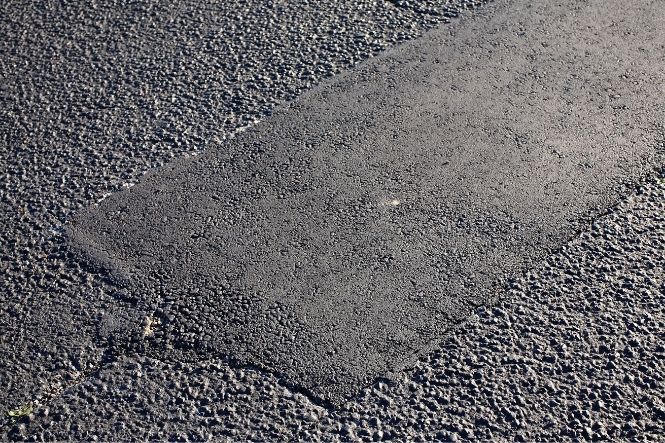
Tarmac is the other solid surface that’s very popular but you do really need to get it laid professionally. Also it is impossible to patch invisibly, so think about whether you might need to make changes to your drive or garden in the near future before picking tarmac.

Blocks, Bricks, Slabs and Pavors, Setts, Flags, Cubes and Cobbles

In the sub-title introducing this section we’ve neatly demonstrated one of the main problems with block paving. There is a vast number of names used all around the United Kingdom for the various different types of stone, imitation stone and brick used to pave driveways.

In the block paving section we’ll demystify all those different types of block paving and the different terms used for them. You’ll find out how the balance between quality and price determines whether you get real stone or brick, or plump for one of the imitations available. We will also help you pick the right surface for your use – some can be slippery when wet, others have better drainage, that sort of thing.

Gravel Drives

Ah, the expensive sound of crunching gravel under tyres! A gravel drive is possibly one of the easiest and cheapest driveway surfaces to lay, which explains its popularity. We look at the massive range of colours, grades and materials and advise how to make sure a gravel drive will last for a long time.

Although gravel is quick and easy to put down, if you don’t keep weeds at bay and redistribute the stone occasionally you’ll have to relay it within a few years, and that knocks the economic argument out. We cover other loose materials that aren’t technically gravel in this section too.

Unusual Materials

There are other driveway materials that don’t fit into any other category so we’ve collected them under one banner here. This is the section where we talk about the increasing ecological sensitivity surrounding driveways too. The disappearance of urban front gardens under concrete and other materials has caused concern for some time on three major fronts.

Firstly it is increasing the latent temperature in those areas, increasing global warming. Secondly rainwater runs off straight into the drains instead of seeping through the soil of a garden and returning to the water table which is helping to make water scarce. Finally the disappearance of gardens, with the habitats they provide for micro-organisms up through insects to small mammals and birds is causing problems for many species.

Your One-Stop Driveway Information Resource

So there you have it – Driveway Expert – the place to come if you need to know anything about drives – laying, maintaining, cleaning and repairing – it’s all here.

We hope that using the reference material here will help you to get the driveway of your choice and keep it in good condition for as long as can be expected. Feel free to dip in and out of the site as and when you need to, you’re always welcome at Driveway Expert.

Popular Articles...
Creative Ideas for Your Driveway
CREATIVE IDEAS FOR YOUR DRIVEWAY: For many years, it was your front garden that allowed you to add a bit of panache and style to the...
Planning Permission for Driveways
PLANNING PERMISSION FOR DRIVEWAYS: Following a change in the law in England in October 2008, planning permission is now required for...
Laying Concrete on Your Drive or Patio
LAYING CONCRETE ON YOUR DRIVE OR PATIO: Laying a concrete driveway is a job that householders often take on as a DIY task, and there's no...
Our Categories...
Ask Our Experts
Ask Our Experts: Is Gravel Suitable on a Sloping Driveway?, Would a Soakaway Prevent a...
Block Paving
Block Paving: Jointing Block Driveways With Slurry, Using Clay Block Paving, Using...
Case Studies
Case Studies: The Automatic Block Paving Machine: A Case Study, Our Driveway...
Concrete & Tarmac
Concrete & Tarmac: Tarmac Options for Your Driveway or Patio, Putting Expansion Joints...
Loose Materials
Loose Materials: Using Bark and Other Loose Driveway Materials, Choosing a Cobblestone...
Patios & Paths
Patios & Paths: Using Mowing Strips With Driveways, Stepping Stones for Your Patio,...
Unusual Materials
Unusual Materials: Creative Ideas for Your Driveway, Resin Bound Driveway Surfacing,...
What To Do
What To Do: Driveway Quotes and Estimates, Planning Permission for Driveways,...
Our Quick Links...
Most Popular...
Add to my Yahoo!
Add to Google
Stumble this
Add to Twitter
Add To Facebook
RSS feed
You should seek independent professional advice before acting upon any information on the DrivewayExpert website. Please read our Disclaimer.